Menu

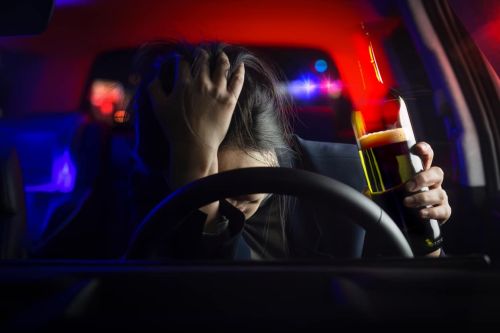
Being pulled over for driving while impaired by alcohol or drugs can be a scary and overwhelming experience. Critically, even a first DWI conviction in North Carolina can come with life-altering consequences. If you were charged with a DWI, it’s essential that you understand the potential penalties and know what to expect. A skillful DWI attorney can walk you through the legal process, mount a solid defense, and ensure your rights are safeguarded every step of the way.
Under North Carolina law, a first DWI is typically charged as a misdemeanor. However, there are certain situations where a first offense can rise to the level of a felony. Even if you have no priors, a DWI can be charged as a felony if you caused serious injury or death to another. A DWI can also be a felony if you are a habitual offender and have three or more DWI convictions on your record within a ten-year period.
How a DWI is classified will depend upon whether there are aggravating factors or grossly aggravating factors in the case.
Aggravating and grossly aggravating factors that determine the specific level of a first DWI offense can include:
Even if there are no aggravating factors, a first DWI conviction in North Carolina can result in a minimum of 24 hours in jail or 24 hours of community service. You may also be required to pay a fine ranging up to $4,000 and the court costs, depending on the severity of the offense.
For a first DWI conviction in North Carolina, there is an automatic license revocation period of one year. If the DWI is sentenced as a level 3, 4, or 5 DWI, you may be able to obtain limited driving privileges for the purpose of driving to school and work if you submit to a substance abuse assessment and provide proof of insurance. In some cases, the judge may require an ignition interlock device in your vehicle.
For a level 2, 1, or A1 DWI - where there is at least one grossly aggravating factor (for example, a child in the car) is present - the suspension is for at least one year with no limited driving privilege possible.
Just because you’ve been arrested for a DWI doesn’t mean you will be convicted — the prosecution must prove their case beyond a reasonable doubt. There are a number of ways you can challenge the evidence against you in a first DWI, depending on the facts of your case. Common strategies that may be implemented to fight your DWI can include disputing the:
If you have a medical condition that could have affected the breath test results, you may be able to present an alternative reason for impairment. Notably, the circumstances surrounding every DWI are unique. It’s best to work with a knowledgeable attorney who can develop a strategy in your specific case to help you avoid a first DWI conviction in North Carolina.
If you’ve been charged with a first DWI, it’s crucial to understand the penalties that can be imposed — and the options you may have to fight the charges against you. The Johnston County DWI attorneys at Reece & Reece, Attorneys at Law provide aggressive advocacy for a wide range of criminal offenses in North Carolina, including DWIs. Call (919) 300-1249 to schedule a consultation and learn how we can help.
© 2026 Reece & Reece, Attorneys
Legal Disclaimer | Privacy Policy
Law Firm Website Design by The Modern Firm